Future of Tyres in Hyperloop and Advanced Transport Systems

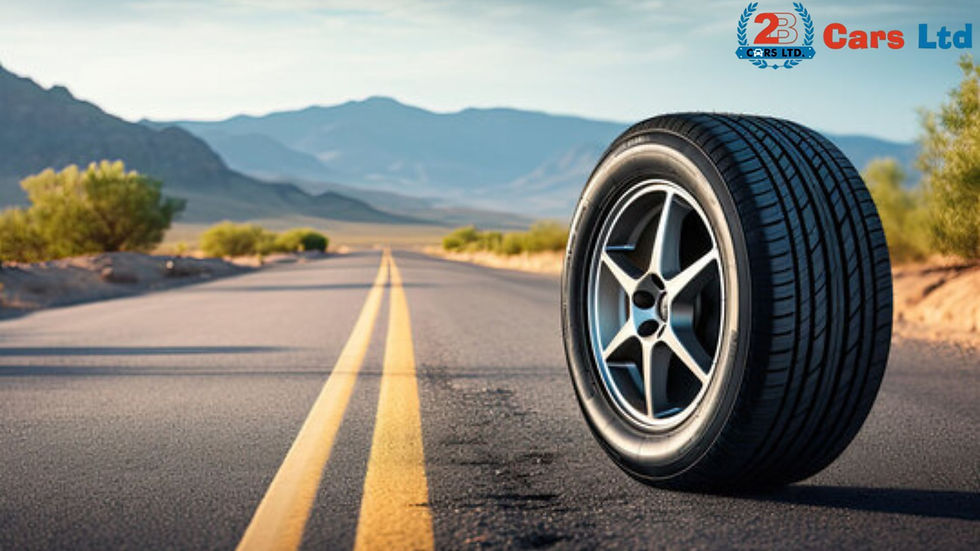
Transportation technologies are fast reshaping global perceptions of mobility. For example, the hyperloop in conjunction with high transit developments has changed the use of tyres.
Tyres are still primarily used to provide ordinary performance characteristics to vehicles by acting as the interface between the vehicle and the surface it is being driven on. However, in modern transportation, they are also playing roles that affect efficiency, safety, and sustainability, particularly in future-focused transportation systems.
To understand the future function of tyres we need to look at how contemporary, high-speed or low-resistance, transportation systems use tyres.
Traditional Way Of Using Tyres In Transportation
Historically, tyres were the primary interface between the vehicles and roads/runways which allowed them to deliver stability, traction, and load-carrying capacity in different ways. However, modern vehicles use the tyre as a powerful tool to promote fuel economy, noise control as well as comfort of the ride.
However, there are certain constraints in conventional tyre designs for them to be used in high-speed or frictionless modes of travel. Tread wear and tear effects on the tyre body can have a significant impact on the operational use of a tyre under extreme conditions. Thus, the tyres used on future high-speed or low-resistance transportation systems will need new alternatives to standard tyre designs.
To counter the shortcomings of a standard Car Tyres Sheffield, many of today’s sophisticated transportation modes are designed to have fewer functional requirements of tyres as per the conventional design.
Hyperloop Tyres
Hyperloop systems are primarily designed to operate within a dedicated tube with a near-vacuum environment, reducing drag imposed by air and enhancing the velocity of vehicles. Due to this operating environment, more conventional tyre technology will be phased out in favour of magnetic levitation and/or air bearing systems.
However, a tyre will still be required in several auxiliary roles, such as delivering the initial propulsion force to the rolling stocks, delivering emergency braking force and supporting low-speed steering.
Tyres, which are designed for such applications, must fulfil the requirements for various air pressure and temperature regimes and maintain structural integrity. Therefore, it is expected that the tyres will be made of advanced composite materials. That ensures superior mechanical properties, including high strength and flexibility.
So although the hyperloop system massively cuts down on the need for tyres, other advanced transport modes will still utilise them, albeit in an evolved form.
Evolving Tyre Technology for Advanced Transport Systems
Emerging advanced transport systems like electric and autonomous vehicles and high-speed rail-linked road systems demand improved tyre performance attributes. (Exception 2by techtirbhe.com
Tyres that are equipped with sensors will provide for real-time monitoring of tyre pressure, temperature and wear. Therefore, this will boost safety and security in the transportation system.
In addition, there are development initiatives to produce airless tyres from flexible polymer materials. Thus, this will eliminate tyre punctures and frequent tyre maintenance.
In this way, tyres will remain a viable service component even as transportation technologies advance at a rapid pace.
Sustainability and Environmental Considerations
Sustainability is becoming a more important factor causing companies to develop eco-friendly tyre products that will reduce carbon emissions and resource consumption. Therefore, in the future, tyres may be manufactured using biodegradable or recycled materials to try to reduce the overall impact of tyres on the environment.
Low rolling resistance tyres will not only improve energy efficiency in electric vehicles but also help to reduce the overall amount of microplastic pollution caused by tyre wear resulting in cleaner ecosystems. Such environmentally sound innovations are consistent with global trends in green transportation.
Along with sustainable manufacturing processes, performance in extreme conditions will be an equally important consideration in designing the future of tyre technology.
Tyre-related Challenges and Future Opportunities:
There are many challenges associated with the tyres when considering their integration into hyperloop and other futuristic means of transport. These include but are not limited to: (1) the limited range of materials available in the market; (2) the ability of tyres to withstand the rigours of extremely high speeds; and (3) the ability of tyres to work with new propulsion technologies being developed.
Engineers will have to come up with tyres that would work efficiently in an environment that involves unimaginable speeds and extremes in climate.
Notwithstanding these challenges, there is great potential for tyre development in the future. There is already evidence that car tyre Sheffield technology will advance into products like self-healing and energy-generating tyres as research continues in various fields, including nanotechnology, materials science, and artificial intelligence.
Conclusion
Tyres will no longer hold the same significance that they did previously within the context of the hyperloop systems, but they will continue to be significant within the transportation field. Their evolution from purely mechanical devices that support mobility to intelligent and sustainable solutions illustrates the evolution of mobility in the future.


Comments